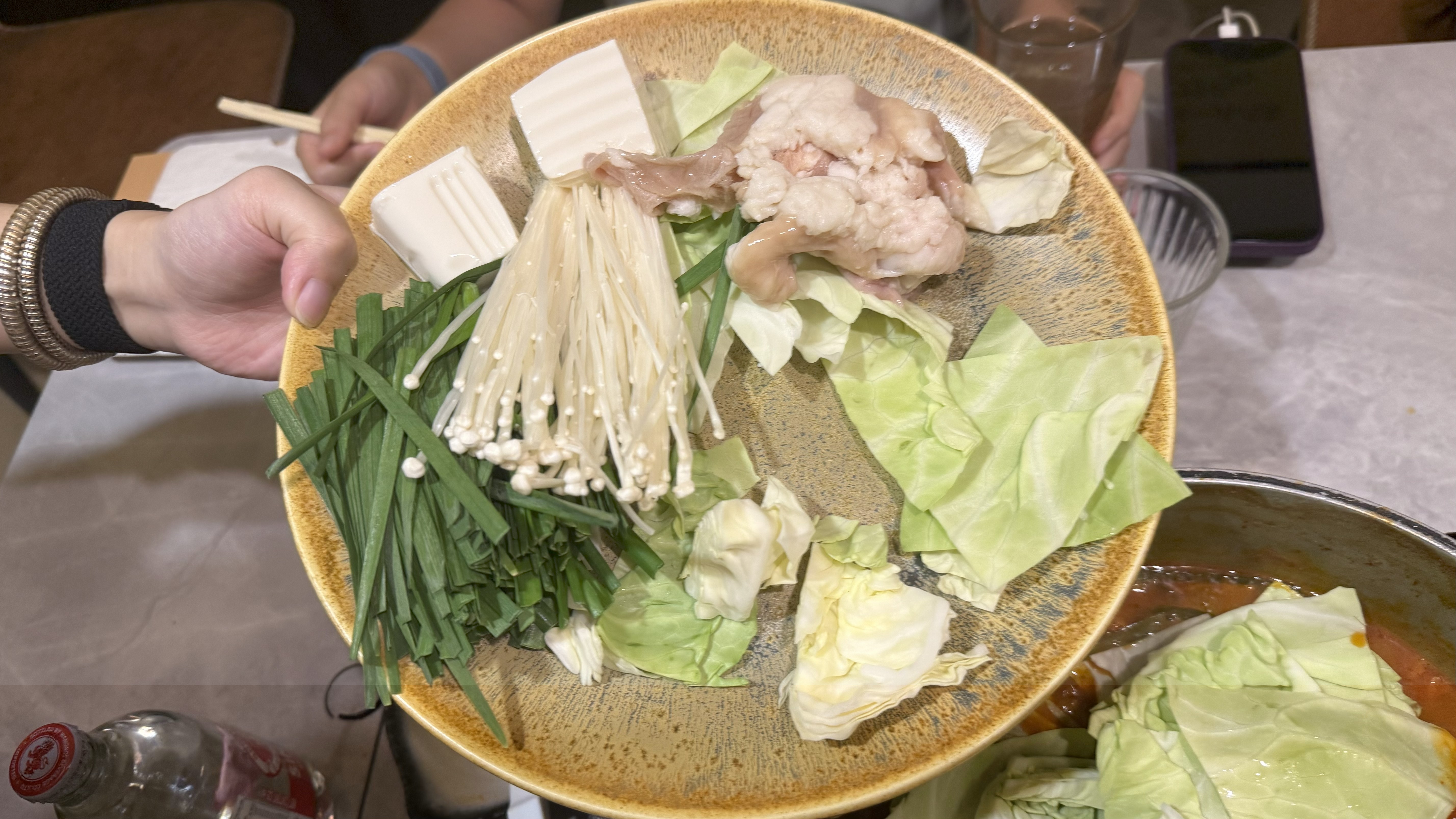
Motsunabe: Japan’s Hearty Offal Hot Pot
When it comes to Japanese cuisine, sushi and ramen often steal the spotlight. Yet in the southern island of Kyushu, particularly in Fukuoka, locals have long celebrated a hearty, communal dish that deserves just as much attention: motsunabe (もつ鍋).
What Is Motsunabe?
The word motsunabe breaks down simply:
- “Motsu” (もつ) refers to beef or pork offal, usually intestines.
- “Nabe” (鍋) means pot, a reference to Japan’s wide range of hot pot dishes.
Put together, motsunabe is an offal hot pot, simmered in a flavorful broth and shared at the table.
Ingredients and Flavors
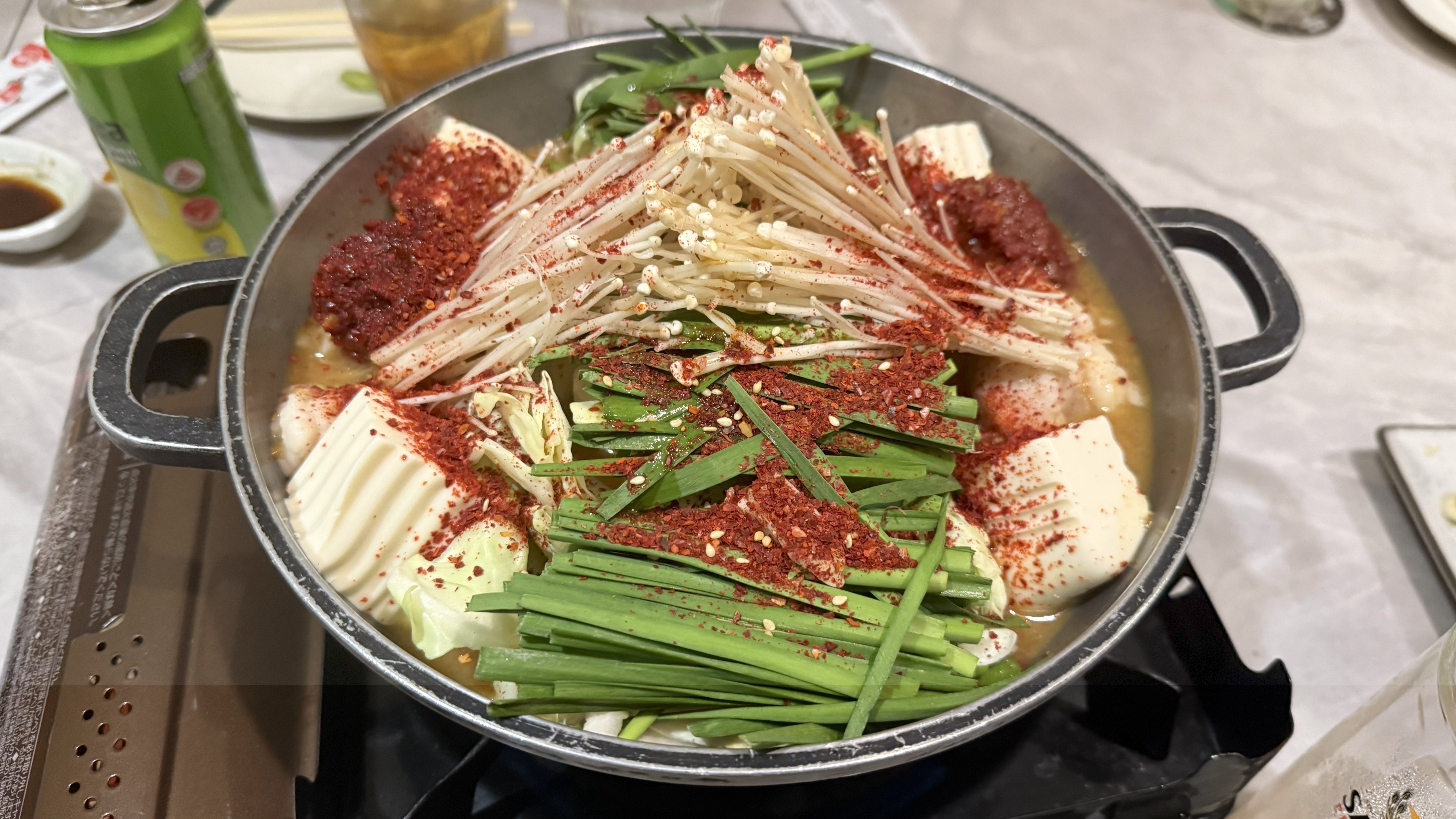
A typical motsunabe starts with beef or pork intestines, prized for their rich, chewy texture and savory fat. These are simmered in a soy sauce–based or miso–based broth, often seasoned with garlic, chili peppers, and sesame.
The offal is paired with hearty vegetables—most notably cabbage and garlic chives, which balance the richness of the meat. Mushrooms, tofu, and other seasonal vegetables may also make their way into the pot.
As with many Japanese hot pots, the meal doesn’t end when the ingredients are gone. Diners usually finish by adding ramen noodles or rice to the leftover broth, transforming it into a second course that absorbs all the deep, layered flavors.
A Dish Born of Ingenuity
Motsunabe traces its roots to post–World War II Fukuoka, when people turned to inexpensive cuts of meat like intestines to create filling meals. What began as a humble dish of necessity evolved into a regional specialty beloved across Japan.
Today, Fukuoka is famous for its many motsunabe restaurants, each offering slight variations in broth and preparation. What remains constant, however, is the dish’s reputation as a comfort food, best enjoyed with friends or family gathered around the steaming pot.
Cultural Significance
More than just food, motsunabe embodies Japanese dining values of togetherness and resourcefulness. It highlights how local traditions can transform simple, overlooked ingredients into something both delicious and meaningful.
For visitors to Japan, especially Kyushu, motsunabe is a must-try—an authentic taste of regional culture that goes beyond the usual tourist fare.
Conclusion
Warm, hearty, and deeply communal, motsunabe is a dish that tells a story. From its origins as an affordable way to feed communities, to its present-day role as a celebrated specialty, it reflects both the resilience and creativity of Japanese food culture.
So the next time you’re in Japan, step into a cozy eatery in Fukuoka and gather around a bubbling pot of motsunabe. You’ll discover not only a meal, but also a tradition of sharing, warmth, and comfort.

 Above the Equator
Leave a comment